Kurdistan Region × Republic of Korea
Bridgeof Love
A Cultural & Musical Collaboration Between the Kurdistan Region and South Korea
Scroll
↓
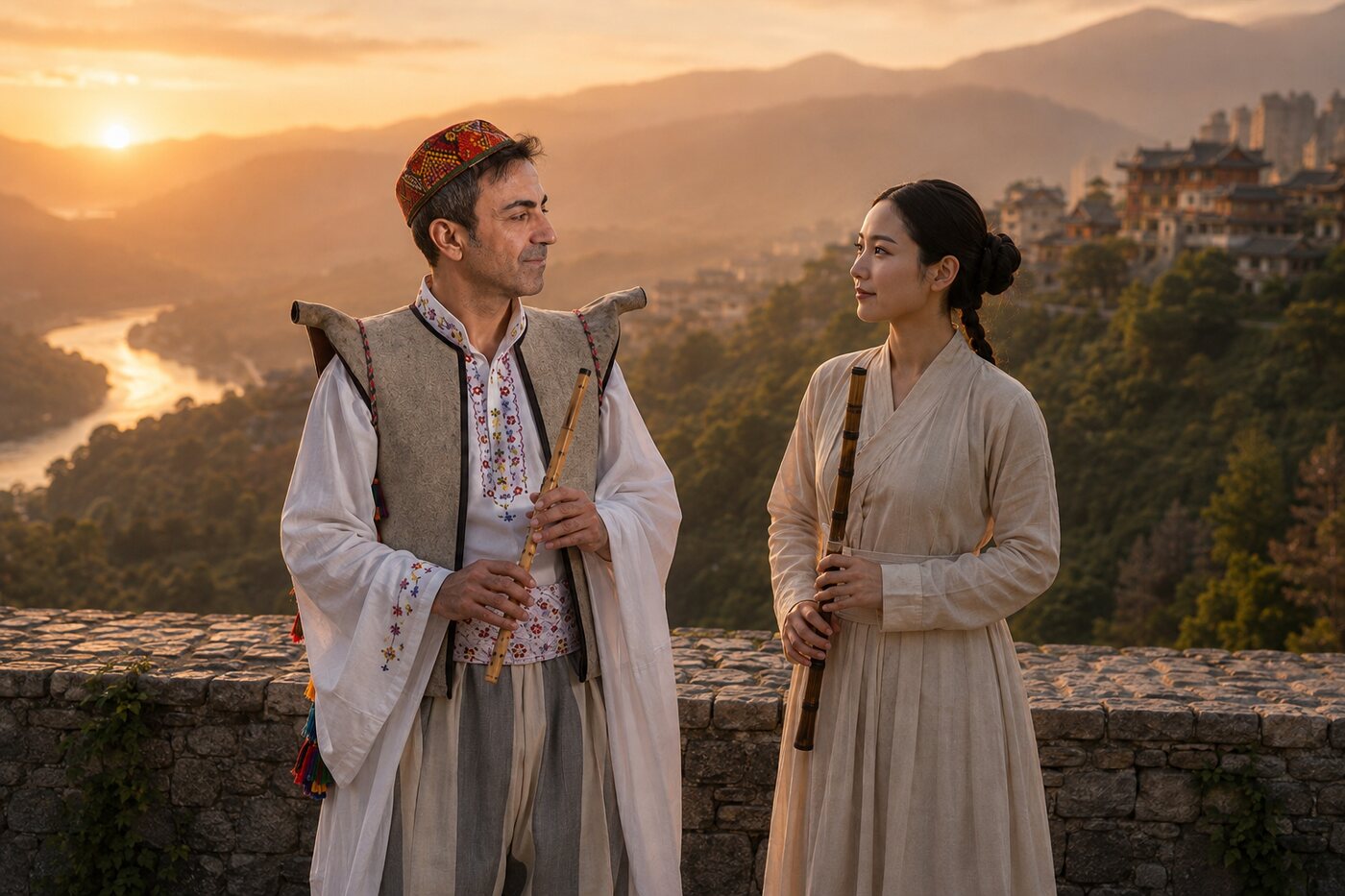
Bridge of Love is a cultural and artistic collaboration connecting the Kurdistan Region and South Korea through music, language, and visual storytelling.
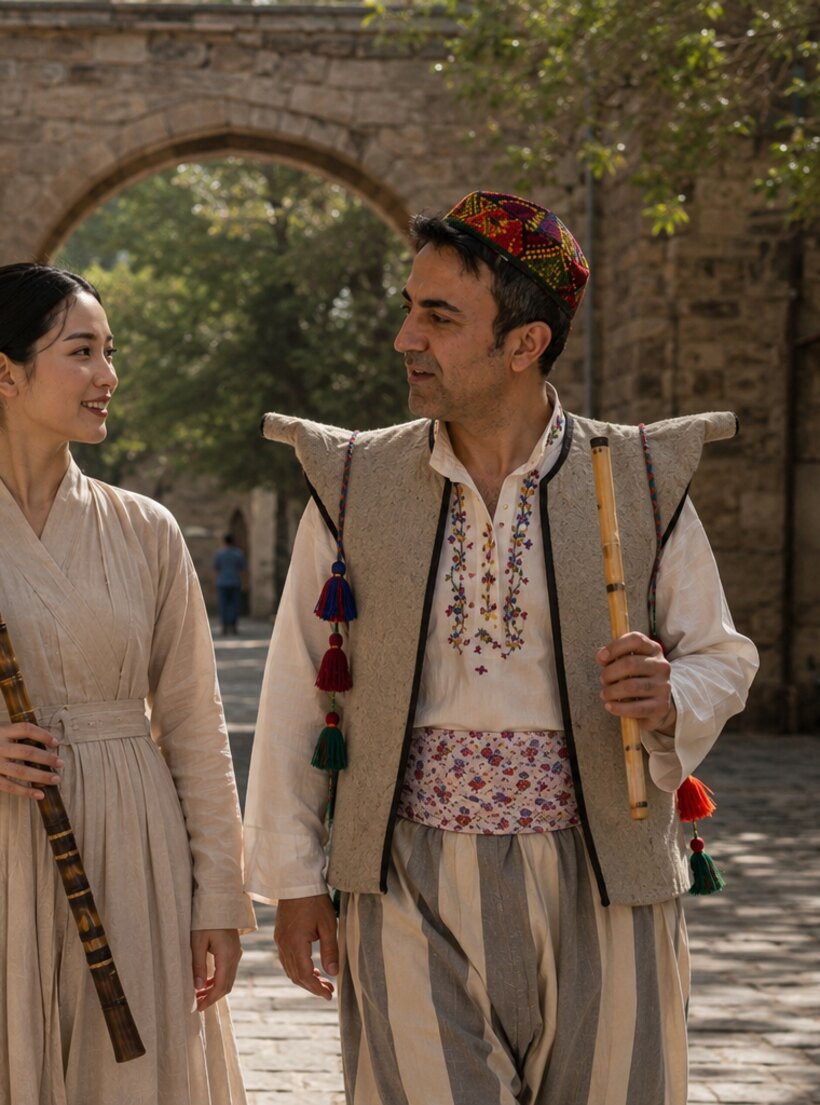
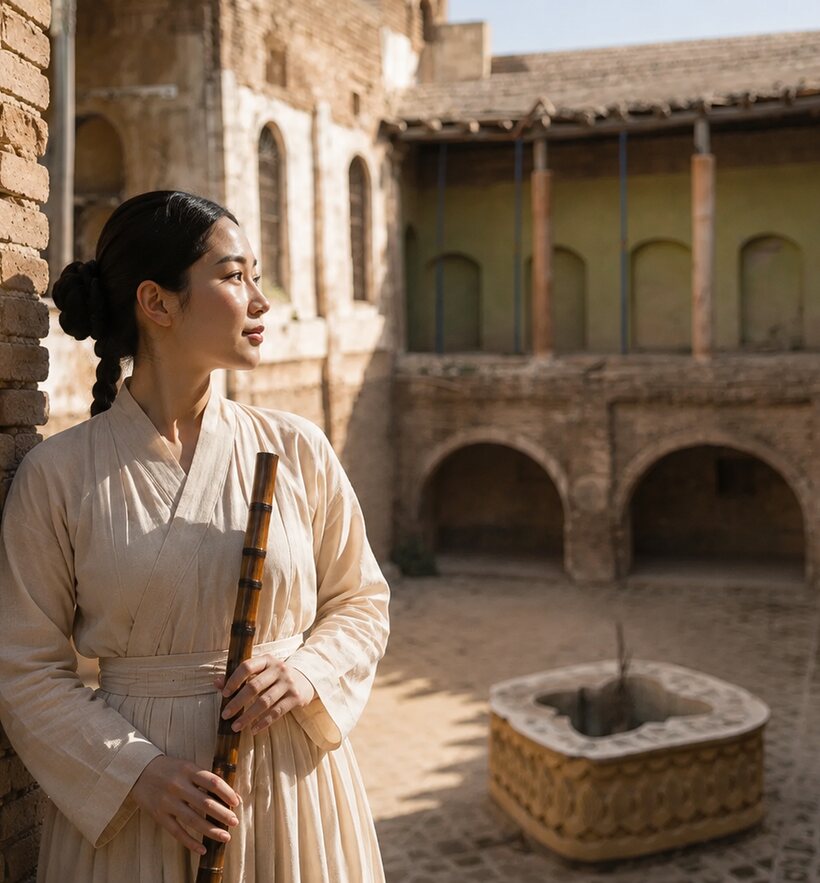
At the heart of the project are two artists: Aras Koyi, a Kurdish artist, and a collaborating Korean artist. Together, they will create one original collaborative song and one cinematic music video, filmed across both the Kurdistan Region and South Korea, bringing Kurdish and Korean musical and cultural elements into a single artistic work.
The song will be performed in both Kurdish and Korean, with each artist bringing their own language, musical identity, and cultural character into the composition.
"Rather than allowing one culture to simply accompany the other, the song is developed as a genuine artistic dialogue: a work in which both voices have their own identity while becoming part of the same musical story."


Aras Koyi is a multidisciplinary artist working across music, film, and design. His work is known for a cinematic approach to songwriting and a tightly controlled visual style that bridges contemporary art and modern music performance.
Through this project, he aims to amplify unity, hope, and joy in a form that is accessible and emotionally direct, aligned with universal values of compassion, tolerance, and peace.
His personal story is one of resilience. Forced to flee Iraq at the age of eight due to political persecution, he was raised in a Russian boarding school for refugee children. Living among classmates from many countries shaped a worldview grounded in coexistence and human dignity.
He now speaks five languages: English, Arabic, Russian, Kurdish, and Swedish, a life built on crossing borders rather than staying within them.
The musical concept of Bridge of Love is built around dialogue. Aras Koyi and the South Korean artist will perform together within one composition, moving naturally between Kurdish and Korean.
Elements inspired by both musical traditions can be incorporated into the arrangement, instrumentation, melodies, and vocal performances, while the overall production remains contemporary and accessible to an international audience.
The objective is not to erase the differences between the two musical cultures.
It is to allow those differences to meet.
Two languages. Two voices. One song.
The Kurdistan Region and South Korea are geographically far apart, with different languages, histories, traditions, and cultural identities. Yet distance and difference do not necessarily mean disconnection.
Beyond these differences, Kurdish and Korean cultures find points of connection through family, generations, heritage, hospitality, celebration, and a strong emotional relationship with identity and homeland.
Far in distance. Distinct in identity.
Connected by shared human values.
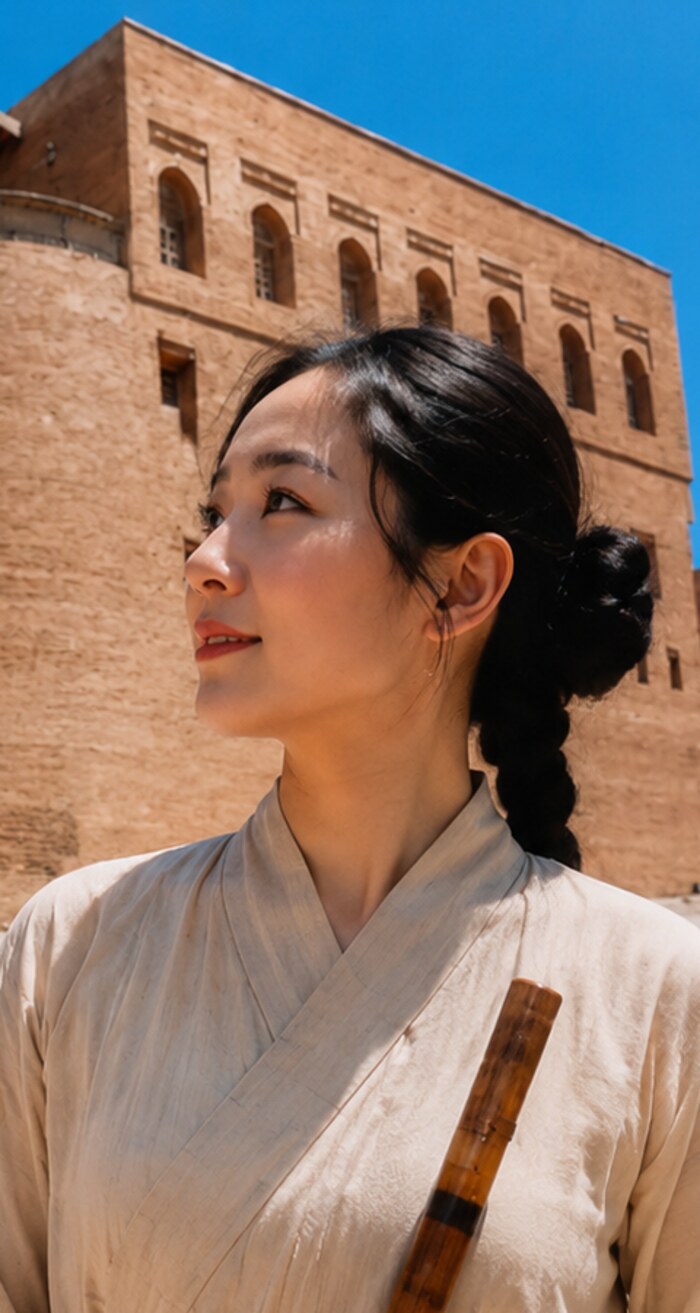
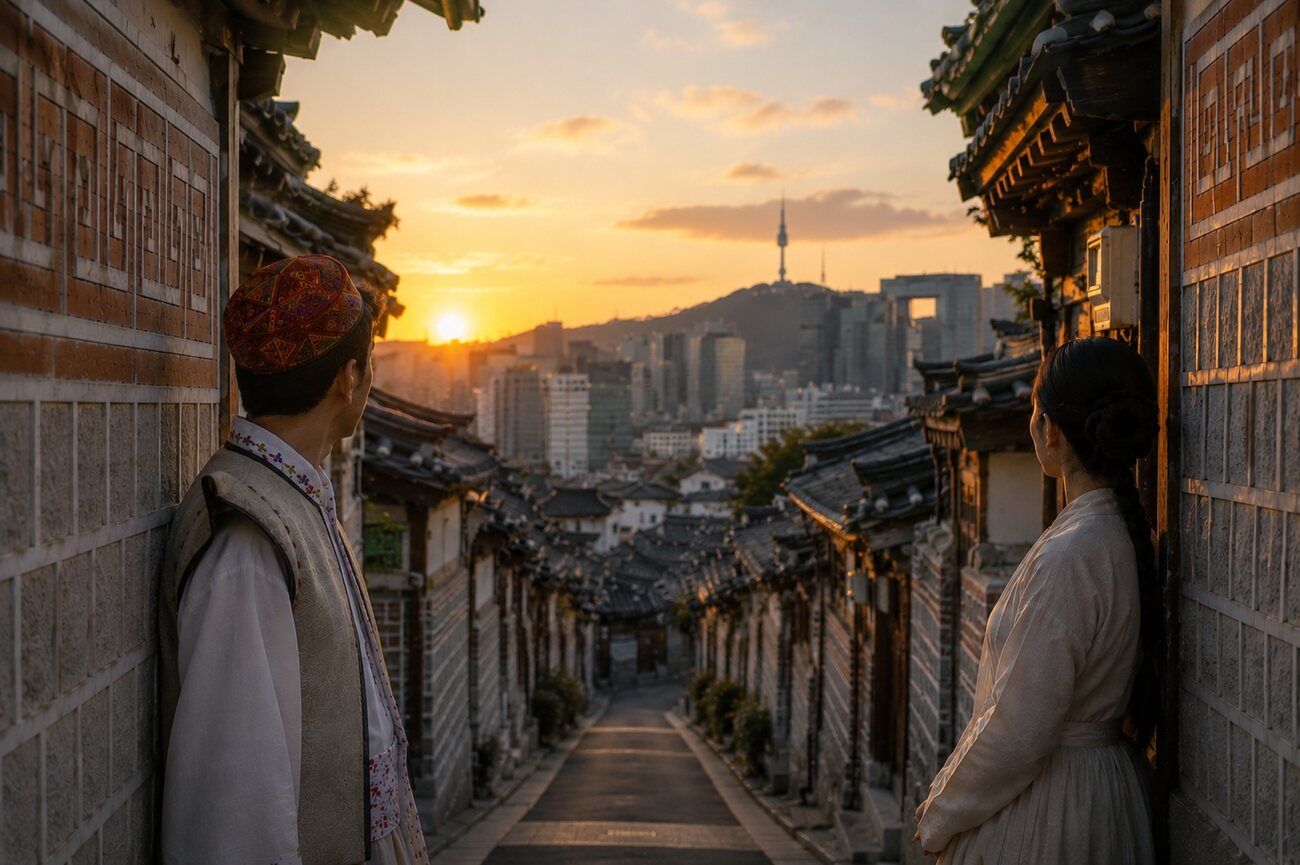
Rather than belonging entirely to one location, the film will be created across the Kurdistan Region and South Korea, allowing the audience to move visually between the two cultures throughout the same film.
The objective is not to create a tourism film, or to simply place cultural symbols side by side. The camera searches for connections, contrasts, and visual parallels between the two lands.
 Kurdistan Region
South Korea
Kurdistan Region
South Korea
A gesture in Kurdistan may continue through a gesture in Korea. A Kurdish landscape may transition into a Korean landscape. Music, movement, people, and everyday life can visually connect locations thousands of kilometers apart.
In this way, the music video itself becomes the bridge.
"We do not need to be the same
to feel connected."
The project celebrates cultural identity rather than dissolving it. Each artist keeps their own voice, language, and identity. But for the duration of one song, those two voices share the same space, and through one film, two distant lands become part of the same story.
Bridge of Love is not about proving that two cultures are identical. It is about showing that cultural difference does not prevent human connection.
Thousands of kilometers may separate the Kurdistan Region and South Korea, but music can create a space where that distance temporarily disappears.